
Denne siden er nå stengt
Du kan besøke vår nye nettside på

Why structure matters
This is what makes the Celia Method different. It is not simply asking adults to “spend more time” with children. It recognises that many conversations require intentionality, structure, and emotional safety.
The impact: Easy to use, Deep in impact
The Celia Method gives adults structure while still allowing childern to express themselves in a way according to each child’s individual needs and abilities.
The results is a practical tool informed by years of research, expert conversations, design work, illustration, and practical piloting. It is accessible, repeatable, adaptable across cultures, and suitable for use at home, in early learning, in schools, and in therapeutic settings.
The opportunity: A scalable method for child development
The Celia Method turns visual cards into a method for connection: Helping children develop language-skills, self-awareness, emotional resilience, and self-confidence, while giving adults a simple and engaging way to begin the conversations that matter the most.
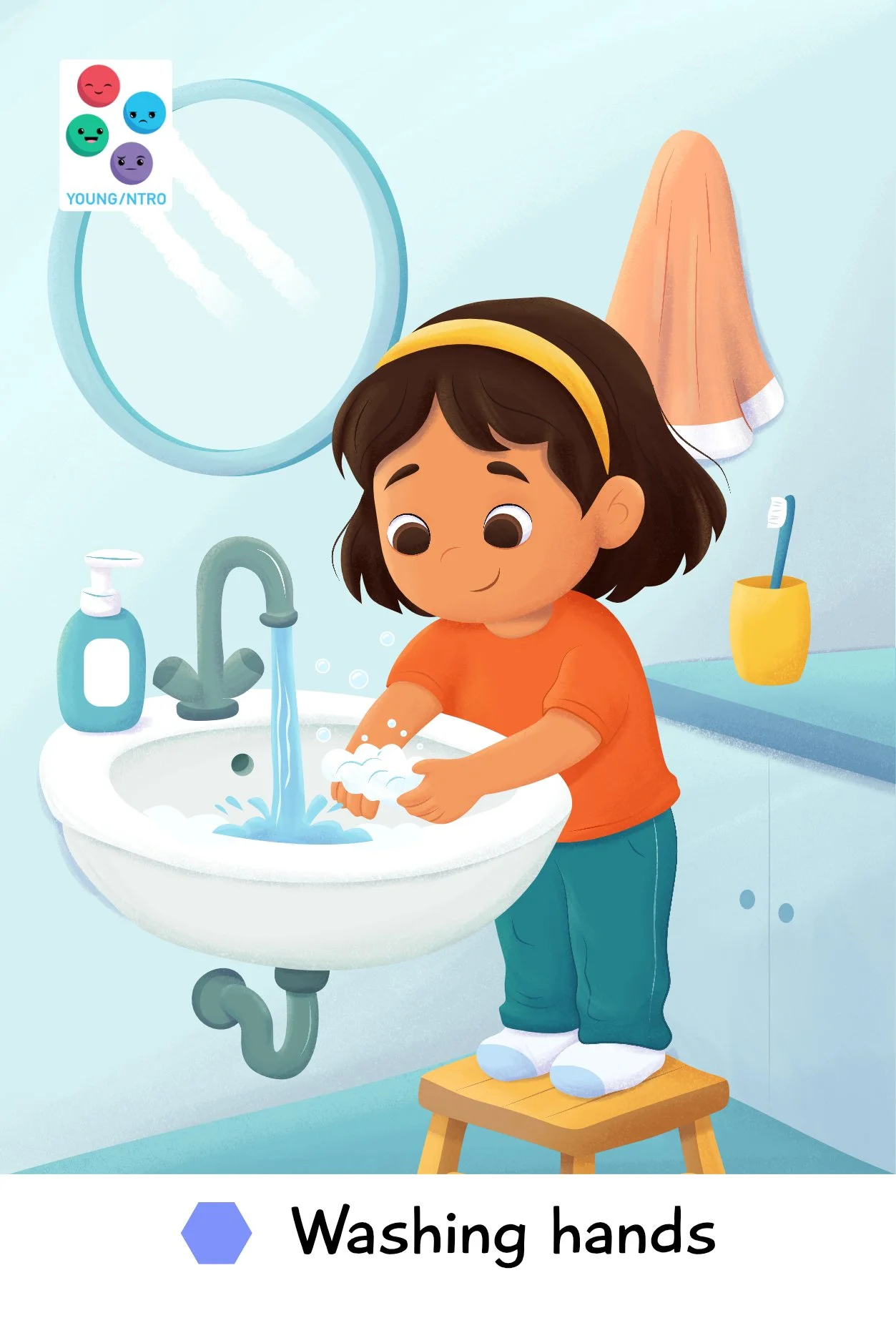
A safe place for growth.
We give your child a sense of achievement through play and social interaction!
Through piloting our cards of the “Celia Method” in kindergartens in Norway (2025-26) and in groups in Uganda (2022) we have demonstrated that our cue cards give many positive results in child development:
Promoting language skills
Facilitating social and emotional growth and resilience
Helping children in building new friendships, and to get to know their own friends better
Building dialogue, contact and trust
Developing their cognitive skills, e.g. planning, interpreting, understanding context, remembering, concentration skills

The Celia Method enhances children’s social and emotional skills, and their self-awareness, helping them grow and to prepare them for life-long learning .
The Celia Method promotes participation, inclusive play and communication:
“Another girl was so happy when she saw that some of the children on the cards had dark skin just like her. This led to many good and nice conversations with the children about how not all children/adults have the same skin color, because they have different cultures and come from different countries.”
Manager in a kindergarten in Lofoten, Norway
“With the little ones (2-year-olds), you see a sense of accomplishment when they say a word, and then we confirm it by saying the word again. They light up, smile, and say the word once more, seeming very happy that it was right. You also see it in their expanding vocabulary, as they come up with more and more words.”
Manager in a kindergarten in Bodø, Norway
“I've noticed that some kids like the talking cards more than others, and ask about the cards more than others. Those who found it a bit scary and spoke very quietly and little at first seem to enjoy it more the more we've used the cards. You can see that they have more to say, speak a bit louder, and don't seem as uncomfortable.”
Manager in a kindergarten in Bodø, Norway
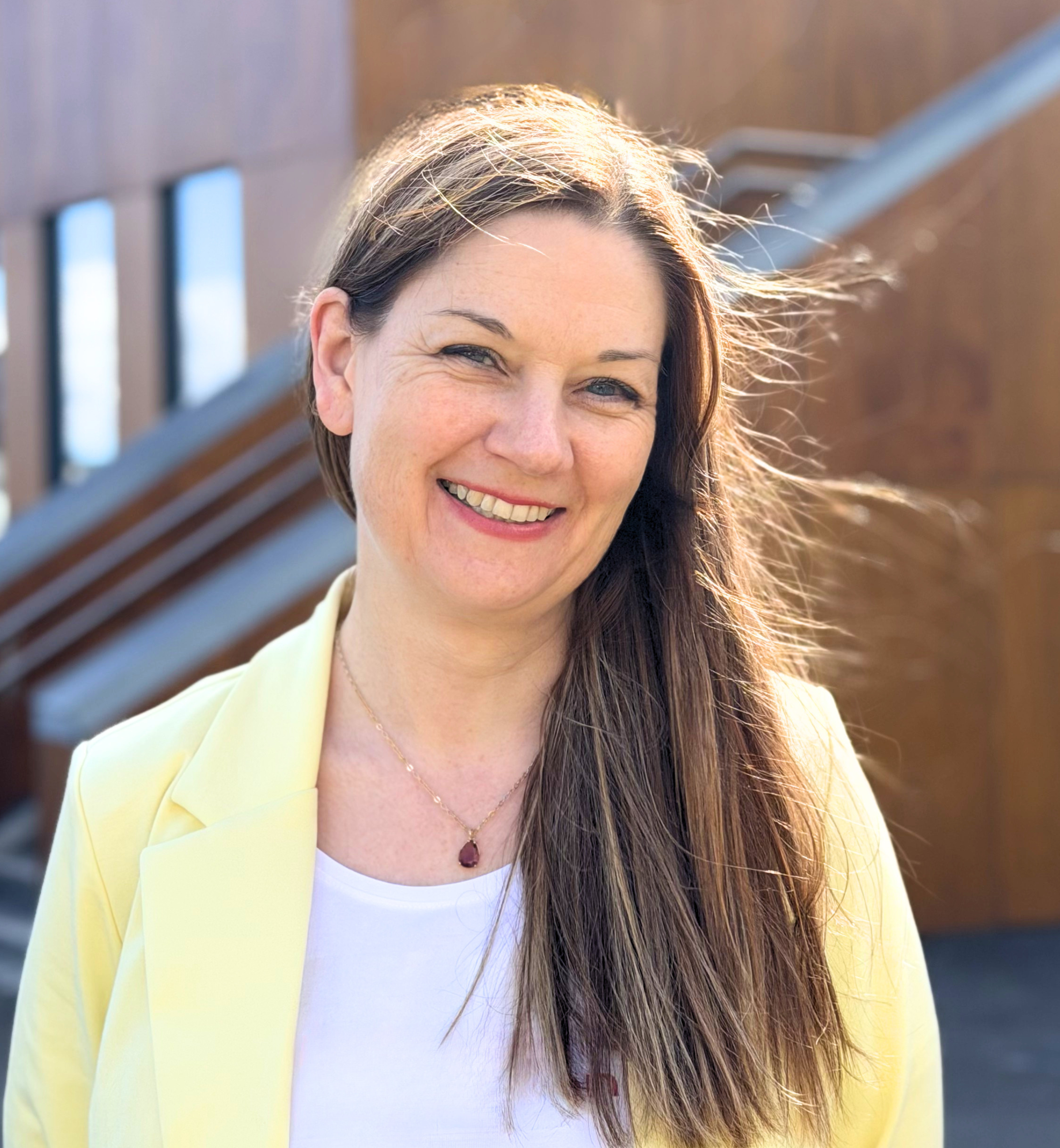
Silje (Celia) Bratberg
Founder and owner of Young Intro/The Celia Method
The founder and owner of Young Intro/The Celia Method, Silje Bratberg, has a Bachelor's degree in International Relations from England and a Master's in International Development from Australia. Part-time, she has studied Human rights, Multicultural understanding, and Conflict resolution at the University of South-Eastern Norway in Drammen. She has volunteered in Africa (South Africa, Botswana and Zanzibar). In 2012-13 she backpacked her way through East Africa as a single traveller, and has completed a one-year study program in outdoor life at Nord University in Bodø.




Blogg
ZIG-ZAG
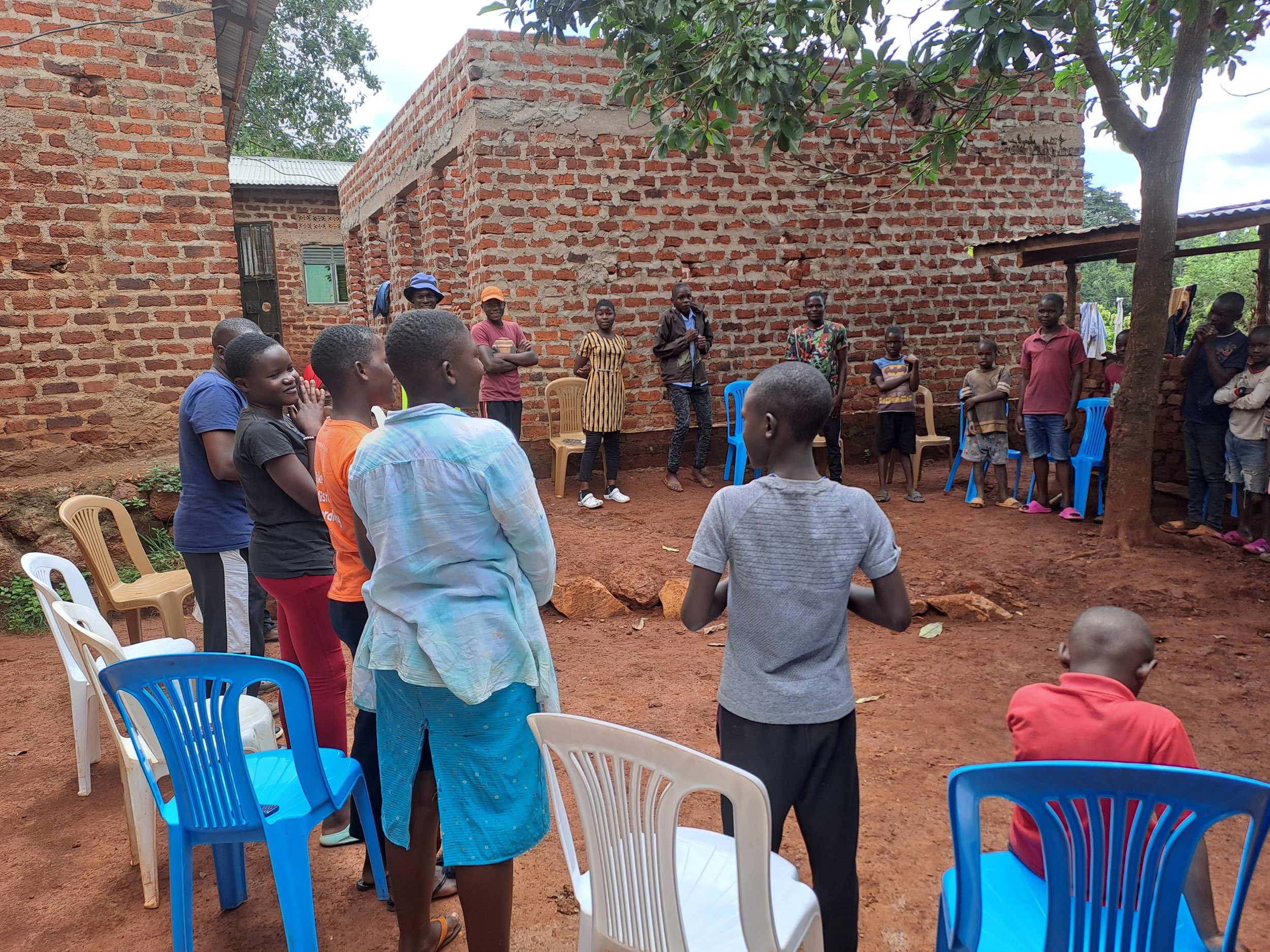
ZIG-ZAG
In this video clip, we are playing “Zig-Zag” during a group activity in a local community in Jinja, Uganda. The purpose of this activity is to promote participation and inclusion, and to create group dynamics when people don’t know each other beforehand. And in addition, to create safety and trust, as well as to have fun.
«We have had fun!»
Children and youth in Jinja, Uganda
Young Intro helps adults promote communication on how to make sure children feel seen, acknowledged, and understood. This is why we developed the Celia Connection Method